Repointing is the process of renewing the external mortar joints in brickwork. It's essential maintenance that protects your property from water damage and maintains structural integrity.
When Does Repointing Become Necessary?
Look for these signs that your property needs repointing:
- Crumbling or missing mortar
- Cracks in mortar joints
- Mortar that's softer than the bricks
- Gaps between bricks and mortar
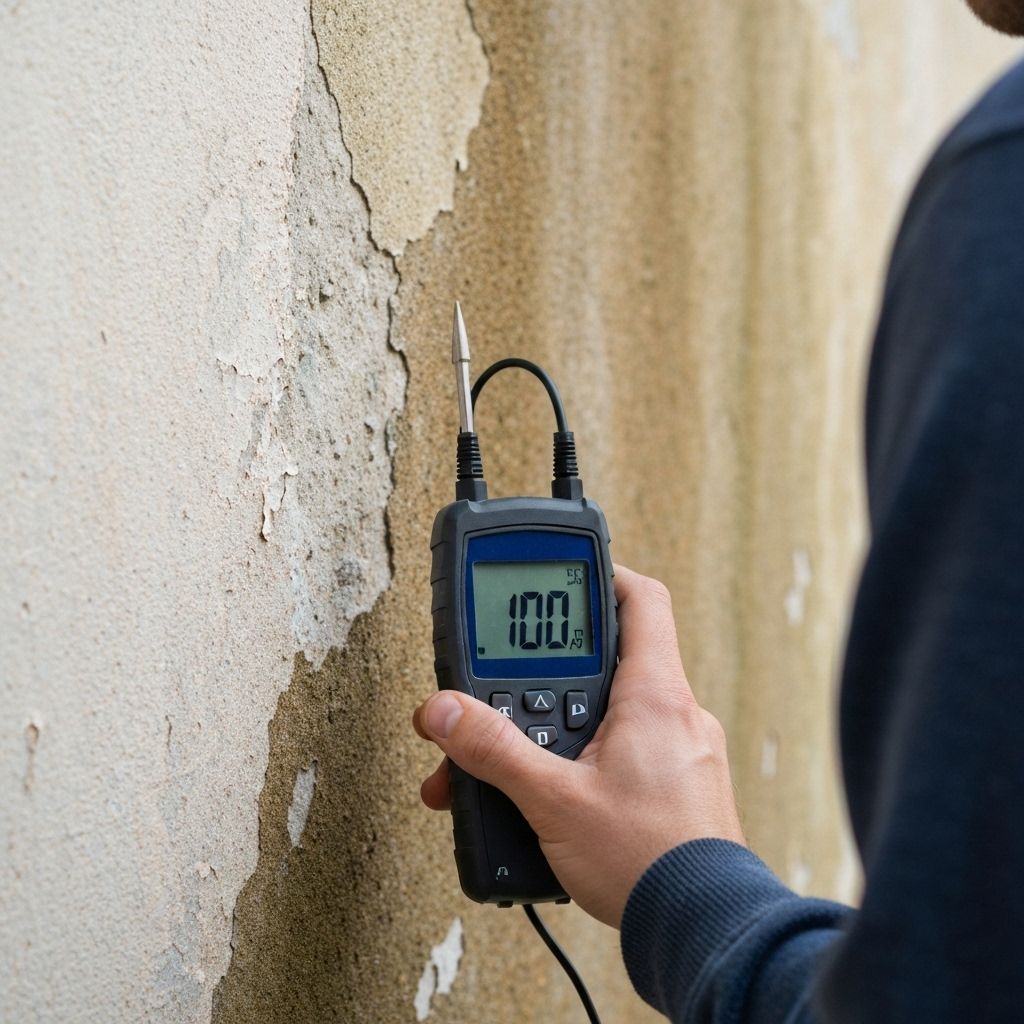
- Water penetration or damp patches
- Loose bricks
Why Is Repointing Important?
Proper repointing:
- Prevents water ingress and damp
- Maintains structural stability
- Improves thermal efficiency
- Enhances property appearance
- Protects bricks from frost damage
- Increases property value
The Repointing Process
1. Assessment
A professional survey identifies the extent of work needed and the appropriate mortar mix for your property's age and brick type.
2. Preparation
Old mortar is carefully removed to a depth of 15-20mm using specialist tools. This must be done carefully to avoid damaging bricks.
3. Cleaning
Joints are thoroughly cleaned and dampened to ensure good adhesion of new mortar.
4. Mixing
The correct mortar mix is crucial. For older properties, lime-based mortars are often used as they're more flexible and breathable than modern cement mortars.
5. Application
New mortar is carefully applied and finished to match the existing style (flush, weathered, or recessed).
6. Curing
Mortar needs time to cure properly. This can take several weeks, during which it should be protected from extreme weather.
Choosing the Right Mortar
The mortar must be:
- Softer than the bricks (to allow movement)
- Breathable (especially for older properties)
- Colour-matched to existing mortar
- Appropriate for the building's age and type
Cost Considerations
Repointing costs vary depending on:
- Property size and height
- Extent of damage
- Access requirements (scaffolding)
- Type of mortar needed
- Location
Expect to pay £30-£60 per square metre for professional repointing.
DIY vs Professional
While small areas might be suitable for DIY, professional repointing is recommended because:
- Incorrect mortar mix can damage bricks
- Poor technique affects appearance and performance
- Scaffolding may be required for safety
- Professionals have specialist tools and experience
Peak Projects has extensive experience in repointing all types of properties, from modern homes to listed buildings. We use traditional techniques and appropriate materials to ensure lasting results. Contact us for a free assessment.
Ready to Start Your Project?
At Peak Projects, we pride ourselves on transparency, quality workmanship, and clear communication throughout every project.